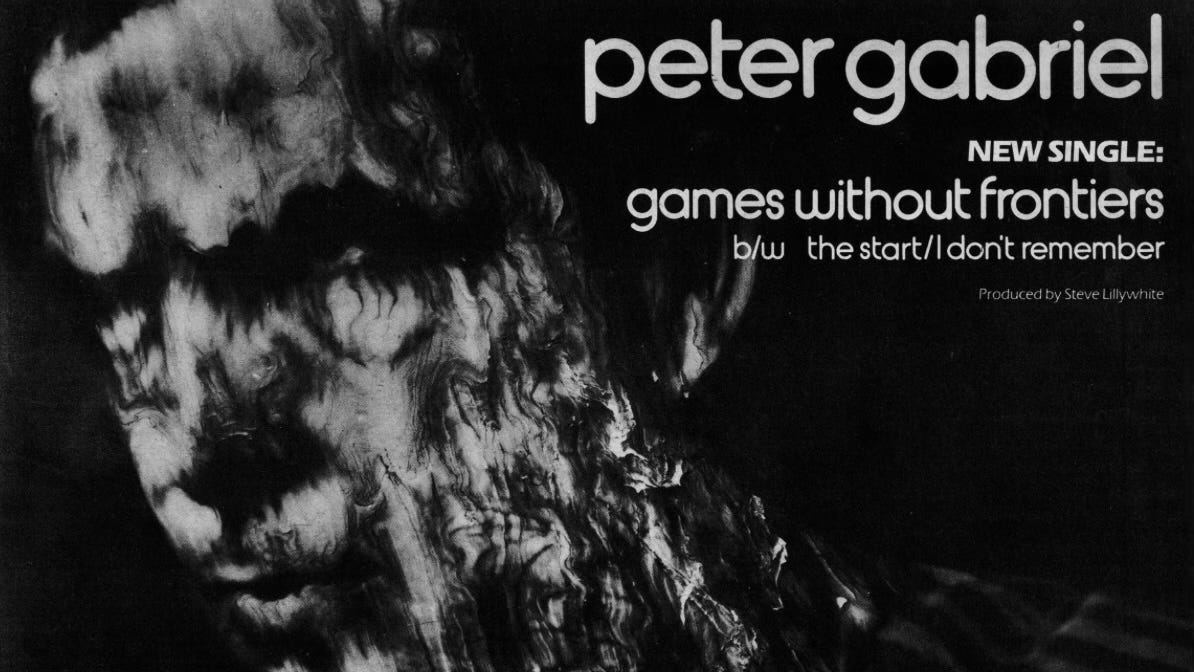
FRONTIERS AND GOODBYES

Hey. Hi. Sure felt like a long week or a short week, depending on how much online news you consume. Felt like a lot happened and nothing new at all. It’s an odd feeling. Trump continues to SUNDOWN, Americans continue to kill each other and the rest of us eat that whale one bite at a time.
Today it’s -35 where I live. It has been bitter cold all week, as a matter of fact. Time is strange when you’re inside most of the day and you are 58 years old.
I always come back to the Lenin quote: “There are decades where nothing happens; and there are weeks where decades happen.”
Like Lenin, I believe in decade-ism. This is the real motivation behind last week’s bout of 2016 nostalgia. Ten years is a long enough time for a period to feel definitively in the past. I warned my peers last year that we were coming up on a decade of Trump. (While he was elected in 2016, his focal position in American political discourse began with his descent down the golden escalator in June 2015.)
For so many people, time stopped in 2016.
Like COVID, the Trump era was supposed to be an aberration, a state of exception that would soon be corrected. But unlike COVID, that turned out not to be true. The temptation in situations like these is to dissociate and wait for the return of the status quo. For COVID, that strategy worked. Work-from-home didn’t last, masking and testing fell by the wayside, and vaccine passports did not become the new normal.
For Trump, not so much. There are still protests in Minneapolis, world leaders like Canada’s Prime Minister Mark Carney are conceding that the ‘rules-based international order’ was always a polite fiction, and the bombastic communication style of Trump continues to drive the news cycle.
“Stuck culture” from a few years ago is a response to this desire to pause time. The term, popularized by cultural commentator Paul ‘The Lindyman’ Skallas in 2022, claimed that cultural products from the 2020s were indistinguishable from cultural products from the 2010s. But the barrage of posts from 2016 tells a different story. The world doesn’t look the same way it did in 2016, Stranger Things notwithstanding.
I wonder if the insistence that everything has remained the same is a millennial twist on Baby Boomers’ perennial nostalgia. The Boomers insisted the cultural products of their childhood were classics: classic rock, classic movies, classic television. That their formative years had witnessed the best pop culture America had to offer.
Millennials, raised on those classics and less confident in the relative quality of their childhood pop culture, claim something slightly different: not that their music, films, and TV shows were the best, but that they have proven uncannily sticky.
Boomers raised during the Cold War in the shadow of nuclear war are waiting for the end of the world and see their time on earth as the swan song of humanity. Millennials raised after the Cold War at the end of history expected things to continue on as they always had—at least in their lifetimes.
From time dilation by Sean Monahan.
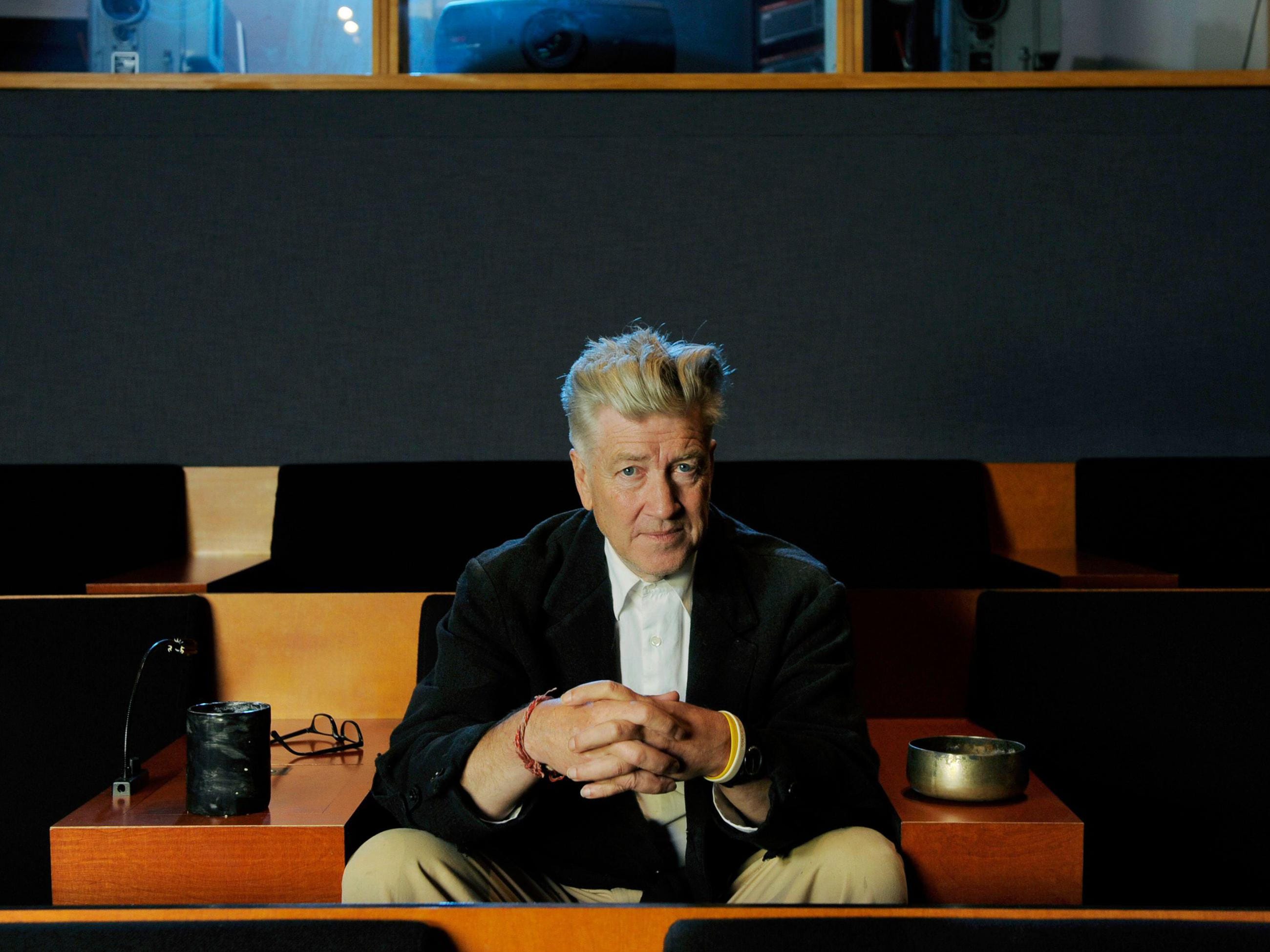
After a brutal experience on Dune in 1984, which he felt had been butchered by the studio, David Lynch vowed to maintain tighter control of his future projects. Here his business partners, from producers Mary Sweeney and Sabrina Sutherland to his former agent Tony Krantz, explain how he clawed back his artistic freedom through discipline, frugality and canny delegation.
David Lynch’s indie empire. Read HERE.
I felt like reading the screenplay to a personal favourite THE LONG GOODBYE this past week.
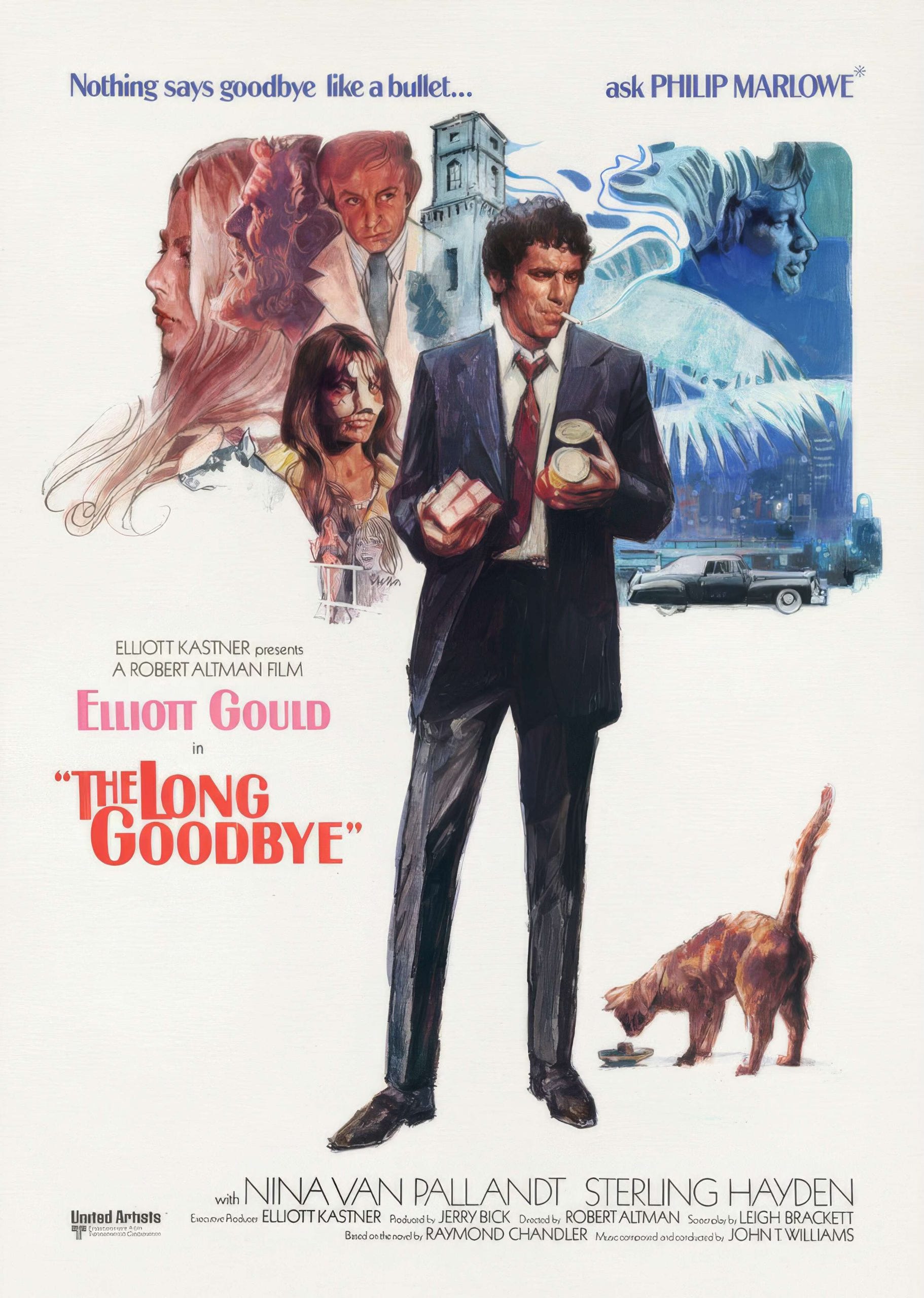
The importance of The Long Goodbye lies in the originality of Altman’s approach and his distinct vision that enabled him to tell a new story on the basis of something that had already been explored countless times. Made in 1973, after MASH and McCabe & Mrs. Miller and before Nashville, this film continues Altman’s ambition to explore, alter and subvert the classic themes of American filmmaking. What is also especially interesting in this film, even though it might seem as just an unimportant fragment of the bigger picture, is an unforeseen instance of sheer, shocking violence that could be understood as Altman’s comment on the irresponsibility of the cinema regarding its casual portrayal of violence in an increasingly violent world. Interesting to examine on several layers, perpetually open to analyses and discussion, Altman’s The Long Goodbye is without a doubt one of the most memorable and distinguished films of the seventies, and perhaps an ideal reminder to contemporary Hollywood that it’s perfectly fine to resort to remaking old classics when in need of fresh material. As long as, like Brackett and Altman taught us, what you have to say is important and worth listening to.
Screenwriter must-read: Leigh Brackett’s screenplay for The Long Goodbye [PDF]. (NOTE: For educational and research purposes only). The DVD/Blu-ray of the film is available at Amazon and other online retailers. Absolutely our highest recommendation.
Read a cool article HERE.
That’s it for this week. I want to finish a short script by the end of the week and dive back into my micro-budget screenplay by the start of next.
Remember to look after yourself. I’ll end with a tune as always. This one from another favourite artist of mine from back in the day. It’s an old one but seems to fit today just as well.
Cheers,
TC.